
CONTACT US: 0919 058 5858 | 02 899 51920
CONTACT US:
0919 058 5858 | 02 899 51920
With its vibrant green color and earthy flavor, matcha has become a favorite drink among millennials and Gen Z–so much that Vogue calls it “Gen Z juice.”
But what exactly is matcha? It is a premium green tea made by grinding shade-grown tea leaves into an ultra-fine powder. Unlike regular tea, where the leaves are steeped, matcha powder is whisked directly into hot water. This creates a smooth, frothy drink with a bright green color and a concentrated dose of nutrients and antioxidants. Choose high-quality, ceremonial-grade organic matcha for maximum benefits.
Beyond traditional tea preparation, matcha’s versatility has made its way into everyday food. Matcha powder can be blended into cereals, granola, chia puddings, cookies, cakes, and even breads, making it an easy addition to modern, health-conscious routines. And while matcha is well-loved for its many benefits—from supporting heart health to boosting metabolism—an important question emerges: Can consuming too much matcha affect your iron levels?
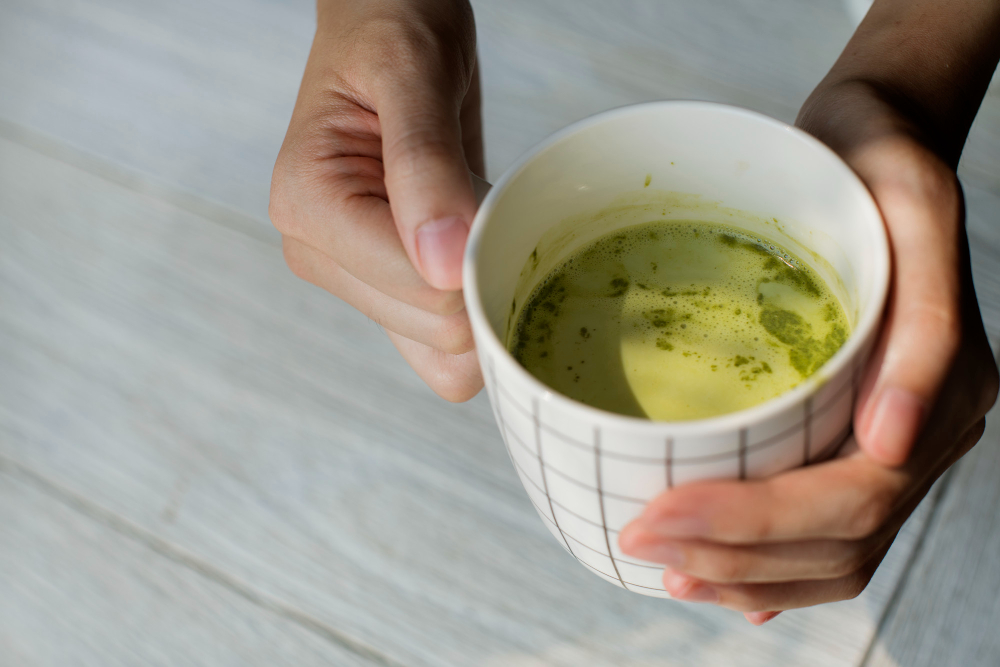
According to a study, tea can inhibit the body’s ability to absorb iron, and drinking it in large quantities may contribute to iron deficiency anemia in some individuals. The impact is greater for people with naturally low iron, heavy menstrual periods, pregnancy, certain chronic illnesses, or those following a mostly plant-based diet.
Matcha contains tannins and catechins, which give matcha its distinct bitterness and powerful antioxidant properties. However, according to Health.com, tannins can bind to iron in the digestive tract, reducing the amount your body can absorb. Because matcha is far more concentrated than regular green tea, it contains higher levels of tannins that can significantly restrict iron absorption. This raises the risk of iron-deficiency anemia that can cause symptoms such as weakness, pale skin, lightheadedness, headaches, shortness of breath, and more.
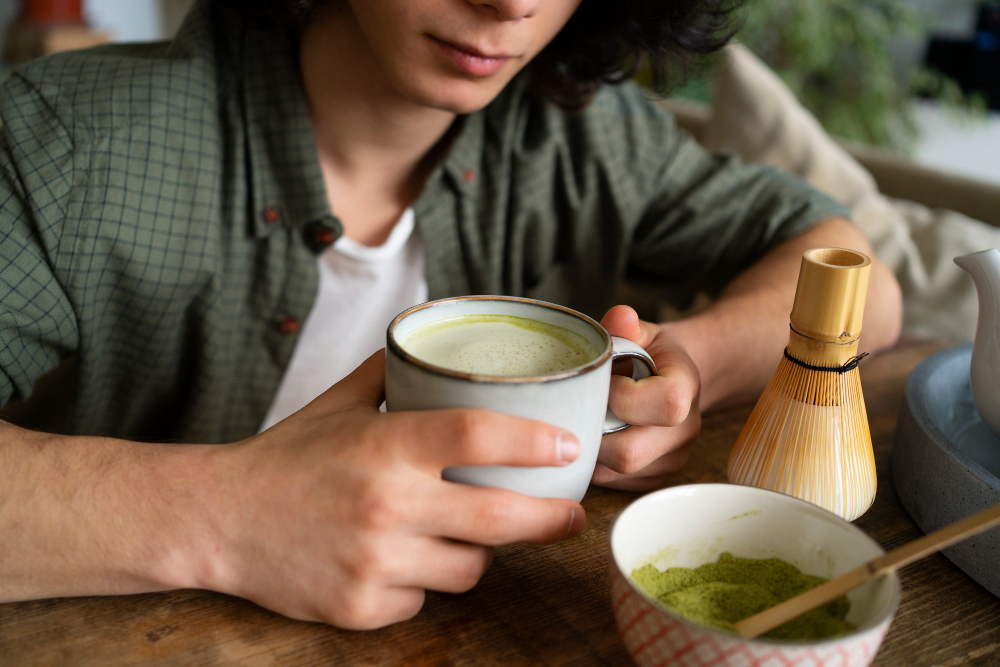
Because matcha contains caffeine, consuming high amounts may lead to some unwanted effects, including:
The amount of matcha a person can comfortably tolerate varies from individual to individual. To stay on the safe side, it’s best to enjoy matcha in moderate amounts and pay attention to how your body responds.
One cup of matcha each day is generally safe for most people. However, drinking several servings, especially alongside meals, may interfere with iron absorption. According to Healthline, matcha typically contains about 19 to 44 mg of caffeine per serving. Since most servings range from 2 to 4 grams, a single cup can provide roughly 38 to 176 mg of caffeine, depending on the quality and amount used.
Here are simple steps to enjoy matcha without compromising iron levels:
Enjoying matcha comes down to one principle: balance. While matcha is rich in antioxidants, consuming too much increases the risk of reduced iron absorption. Opt for high-quality, organic matcha and drink it in moderation to help you reap its benefits without the downsides.
Just as you balance your wellness routine with healthy food and drinks, a dependable Health Plan Philippines, like Medicare Plus, can support your overall health and provide guidance on nutrition, preventive care, and managing conditions such as iron deficiency. When combined with smart dietary choices, you stay on top of your health while enjoying everyday indulgences like matcha.
Enjoying matcha comes down to one principle: balance. While matcha is rich in antioxidants, consuming too much increases the risk of reduced iron absorption. Opt for high-quality, organic matcha and drink it in moderation to help you reap its benefits without the downsides.
Just as you balance your wellness routine with healthy food and drinks, a dependable Health Plan Philippines, like Medicare Plus, can support your overall health and provide guidance on nutrition, preventive care, and managing conditions such as iron deficiency. When combined with smart dietary choices, you stay on top of your health while enjoying everyday indulgences like matcha.
Consuming large amounts of matcha regularly, especially with meals, may increase the risk of iron deficiency anemia in some individuals.
Iron deficiency occurs when your body doesn’t have enough iron to produce sufficient hemoglobin, the protein in red blood cells that carries oxygen. This can lead to fatigue, weakness, pale skin, dizziness, and other symptoms. People who consume less iron-rich food or have absorption issues are at higher risk.
Yes. Matcha is rich in antioxidants, supports metabolism, and can promote heart health. When consumed in moderation, you can enjoy its benefits without significantly impacting iron absorption.

Easy access health plan options for the Filipino community.
We know finding the right healthcare plan can be a complex and confusing task.
Our health plan specialists are always here to help 24/7.
Got more questions?