
CONTACT US: 0919 058 5858 | 02 899 51920
CONTACT US:
0919 058 5858 | 02 899 51920
The volcanic ash and rock fragments emitted by Mt. Kanlaon on July 9, 2026, displaced residents within the 4-kilometer permanent danger zone. The easterly winds scattered volcanic ash across Negros Island up to western parts of Cebu.
With Mayon Volcano currently on Alert Level 3 and under close monitoring due to the threat of an explosive eruption, the timely question arises: How can you protect yourself and your family from volcanic ash?
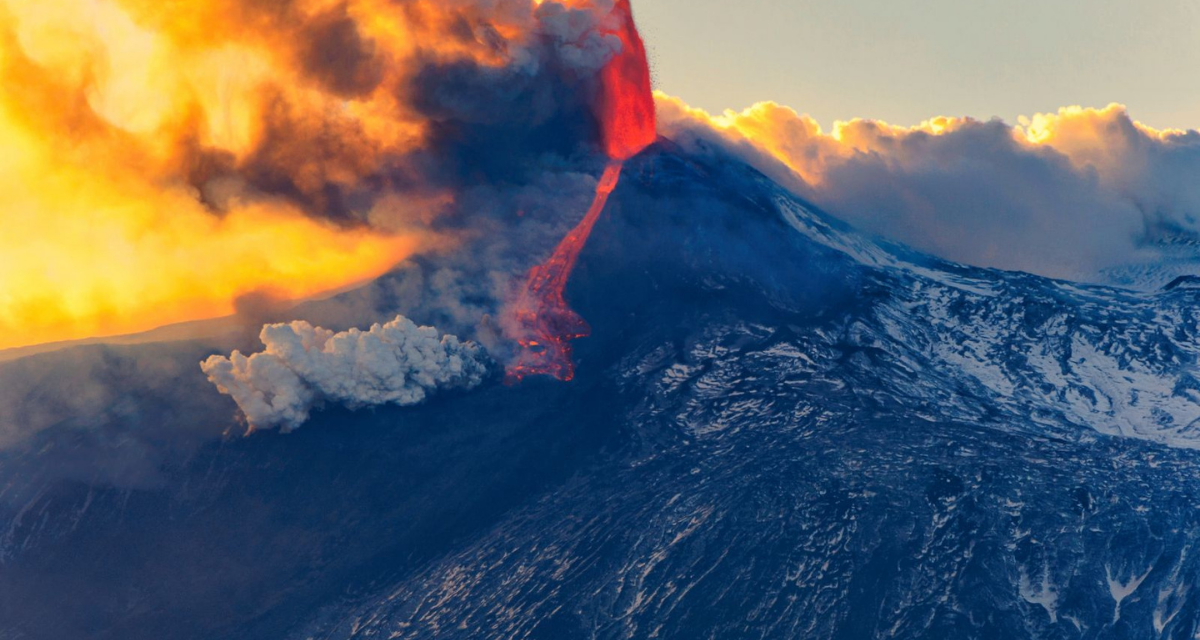
A volcanic eruption can release harmful particles, including volcanic gases and ash, into the air, affecting communities even miles away from the volcano. While ashfall disrupts classes, work, flights, and daily activities, it can also affect your health.
The Department of Health (DOH) explains that volcanic ash is composed of very fine particles blown into the air that can cause:
Medical emergencies can happen during natural calamities, like volcanic eruptions. With ER Guard, the best prepaid emergency health card in the Philippines, you can have peace of mind knowing you have access to medical care when you need it most.
Stay indoors whenever possible. According to DOH-7 Regional Director Dr. Joshua Brillantes, limit outdoor activities during an ash fall to minimize health risks. Close windows, doors, and other openings to reduce ash in your home. People with asthma, chronic bronchitis, emphysema, and COPD are advised to remain indoors and avoid unnecessary exposure to ash.
Wear the right mask. If you need to go outside, wear a properly fitted N95 or KN95 face mask to protect yourself from inhaling volcanic ash particles.
Protect your eyes. Prevent fine ash particles from irritating your eyes by wearing goggles or eyeglasses when going outside. Ophthalmologists advise people not to wear contact lenses because ash can stick to the lenses and cause corneal abrasion.
If ash enters your eyes, the Philippine Cornea Society (PCS) recommends using an eye lubricant to flush it out. Do not rub your eyes because the particles can scratch your eyes. You can also wash your eyes under clean running water for five to 10 minutes.
Use Protective Cover. If going outside cannot be avoided, keep ash off your head by wearing a hat, cap, or hoodie, or using an umbrella. It’s also advisable to wear long-sleeved clothing, long pants, and closed shoes to protect your skin.
Clean Surroundings Carefully. Avoid brushing dry ash because it can only kick it back in the air. It’s better to use a damp fabric or water to clean dry ash.
Protect Water Sources and Food Supplies. Prevent volcanic ash from settling on food and water by covering water sources, food containers, and pet food and water bowls. If you suspect your water supply has been contaminated, boil or treat water before using it for drinking or cooking.
Drive With Caution. Ash can reduce visibility and make roads slippery. If travel is unavoidable, drive slowly and maintain a safe distance from other vehicles.
Monitor Your Health. Watch for symptoms like coughing, breathing discomfort, skin problems, and eye, nose, and throat irritation. If symptoms persist, worsen, or you have an existing respiratory condition, seek medical attention as soon as possible.
Stay Informed. Stay updated by following advisories from the Philippine Institute of Volcanology and Seismology (PHIVOLCS-DOST), your local government unit (LGU), and other official agencies.
Exposure to volcanic ash can irritate your eyes, throat, skin, and lungs. Taking precautions such as staying indoors whenever possible, wearing an N95 or KN95 face mask, protecting your eyes, and following official advisories can help reduce health risks during an ash fall. It’s also wise to stay protected during emergencies. ER Guard, a prepaid health card, provides access to emergency care, giving you one less thing to worry about when every moment matters.
1. What are the health effects of volcanic ash?
Exposure to volcanic ash can cause coughing, throat irritation, breathing discomfort, eye irritation, and mild skin problems. People with respiratory conditions are at greater risk of developing more severe symptoms.
2. How can I protect myself during ash fall?
Stay indoors whenever possible and keep doors and windows closed. If you need to go outside, wear a properly fitted N95 or KN95 face mask, use goggles or eyeglasses to protect your eyes, wear a hat to shield your head, and wear long sleeves and pants to protect your skin.
3. Is volcanic ash dangerous to breathe?
Yes. Fine volcanic ash particles can be inhaled and cause coughing and breathing discomfort.
4. Is it safe to drink water during ash fall?
Keep water containers covered to prevent contamination. If you suspect your water source has been exposed to volcanic ash, boil or properly treat it before drinking.
5. Who is most at risk from volcanic ash exposure?
People with asthma, COPD, chronic bronchitis, and emphysema are more vulnerable to the health effects of volcanic ash.

Easy access health plan options for the Filipino community.
We know finding the right healthcare plan can be a complex and confusing task.
Our health plan specialists are always here to help 24/7.
Got more questions?