
Nauntog ang Ulo? 10 Warning Signs You Should Never Ignore.
A bump on the head can happen in an instant. You might accidentally hit your head on the door, collide with another player during a game, or lose your footing and land on the ground. But when should you be concerned about a bump to the head? Anything more than a light bump on the head should not be ignored.
A recent incident involving actor and former Pinoy Big Brother housemate Ralph Malibunas is a reminder of how quickly an accident can happen. On August 14, 2026, Malibunas suffered a severe fall after standing up too quickly from his bed. He recalls losing his balance and hitting his head. He was rushed to the hospital, turning an ordinary morning into a health scare. Malibunas is now out of danger and recuperating.
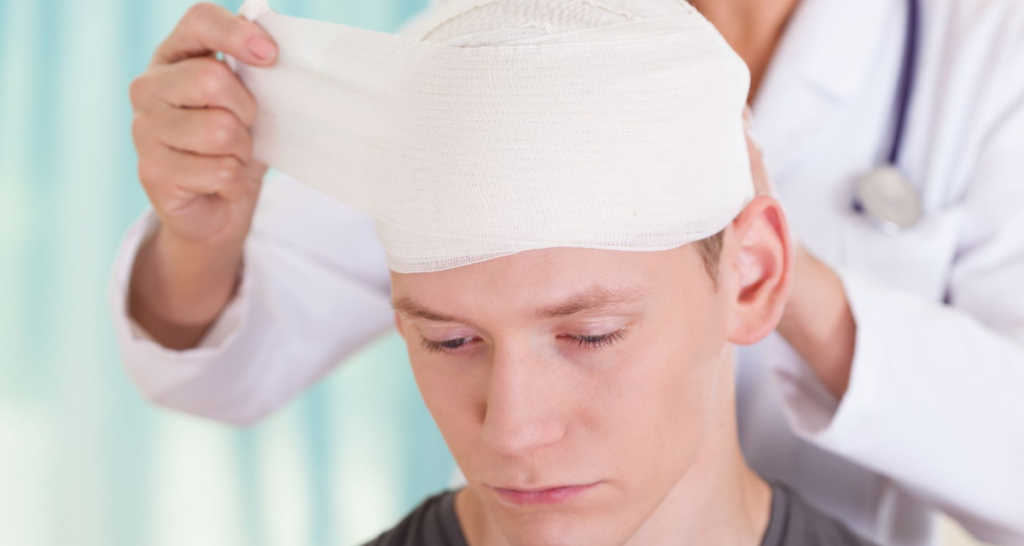
What is a Head Injury?
A head injury is a broad term for an injury that affects the brain, skull, or scalp. It can range from a minor bump to a more serious injury involving bleeding or damage to the brain.
A mild head injury may cause a bump, bruise, or a small, shallow cut in the scalp. Some people may experience localized pain, while others may have few or no symptoms. A concussion is an example of a mild traumatic brain injury caused by a sudden impact to the head.
Moderate to severe head injury may involve an open wound or deep cut in the head, fractured skull, internal bleeding, or damage to the brain. These injuries require emergency medical attention.
When is a Head Injury an Emergency?
Not every bump on the head requires going to the emergency room, but there are red flags that you should never ignore. After a head injury, seek immediate medical attention if you experience any of the following symptoms:
1. Loss of consciousness (even for a short time)
2. Repeated vomiting (twice or more)
3. Severe headache
4. Difficulty staying awake or unusual sleepiness
5. Confusion (cannot remember names of people or places)
6. Blurred or double vision
7. Blood coming from the nose or ears
8. Weakness or numbness anywhere in the body
9. Seizures or convulsions
10. Big or deep cut on the head
How are Head Injuries Diagnosed and Treated?
The doctor may ask how the injury happened, what symptoms you’re experiencing, and about your medical history. It may be followed by a physical examination to check alertness, coordination, vision, and other brain functions.
Depending on your head injury and symptoms, your doctor can request certain diagnostic tests, such as:
- CT scan (computed tomography scan)
- MRI (magnetic resonance imaging)
- Electroencephalogram (EEG)
- X-ray
- Blood tests
Treatment and recovery plan depends on the extent of head injury. For mild injuries, your doctor may recommend that you rest and manage symptoms at home.
1. Observe the patient closely. Stay with the patient during the first 24-48 hours. Watch out for warning signs.
2. Get plenty of rest. Avoid physical activities, including household chores, reading, and using gadgets.
3. Take paracetamol for the pain. Avoid taking aspirin, ibuprofen, and blood thinners during the first 24 hours, unless prescribed by the doctor.
4. Consult a doctor. It’s advisable to get checked by a healthcare professional after a hard bump on the head, even without symptoms, especially if the injured person is a child or an elderly.
Moderate to serious traumatic brain injuries require immediate emergency care. Significant brain injury may require surgery and rehabilitation.
What Are the Complications of a Head Injury?
Without prompt medical attention, a head injury can lead to serious complications such as:
- Bleeding inside the skull
- Swelling of the brain
- Intracranial hemorrhage (a type of stroke)
- Permanent brain damage
- Death
When it comes to head injuries, prompt medical attention can make a difference in identifying serious head injuries and getting the right treatment. ER Guard, a prepaid health card, provides medical coverage for emergencies.
If you’re looking for an affordable health card for children, a health card for freelancers, or a health card for every member of the family, ER Guard provides medical coverage in private hospitals nationwide, giving you peace of mind amid rising healthcare costs.
Bottomline
A head injury can happen to anyone, even while doing simple, everyday activities. While minor head bumps can be managed at home, moderate to severe head injuries need prompt medical attention. Know the warning signs and see a healthcare professional to avoid serious complications.
Frequently Asked Questions
1. Is every bump on the head serious?
No. Many minor bumps can heal on their own. However, a hard impact on the head should be taken seriously.
2. How do I know if I need to go to the ER after hitting my head?
Seek emergency care if you experience warning signs such as loss of consciousness, repeated vomiting, severe headache, confusion, seizures, unusual sleepiness, weakness or numbness, vision problems, or bleeding from the nose or ears.
3. Should I see a doctor even if I feel fine after hitting my head?
If the impact was strong, or if the injured person is a child or older adult, getting checked by a doctor is a good precaution, even when there are no obvious symptoms.
4. Can head injury symptoms appear later?
Yes. Some symptoms may develop hours or even days after an injury. Pay attention to any new or worsening symptoms and seek medical care if they occur.
5. What should I do immediately after a head injury?
Stop the activity and assess how you feel. Avoid driving or strenuous activity if you feel unwell, and seek medical attention if you have concerning symptoms.

Easy access health plan options for the Filipino community.
We know finding the right healthcare plan can be a complex and confusing task.
Our health plan specialists are always here to help 24/7.
Got more questions?