CONTACT US: 0919 058 5858 | 02 899 51920
CONTACT US:
0919 058 5858 | 02 899 51920
When the El Niño hits hard, will your family be ready? The World Health Organization (WHO) warns that El Niño can trigger heat-related illnesses, including heat exhaustion and heatstroke.
It is a natural climate pattern that can influence temperatures and rainfall patterns worldwide. Some places may experience unusually hot and dry conditions, resulting in drought, while others may face heavier rainfall and flooding.
According to the World Food Programme (WFP), El Niño is one of the strongest driving forces of climate conditions, weather, and hunger. This global phenomenon can occur every three to seven years. The last recorded El Niño was in 2023 through early 2024.
El Niño conditions have begun and are expected to affect different parts of the world throughout 2026 and into 2027. Dubbed the “Godzilla” El Niño, experts warn that it could become one of the strongest on record. Taking action now can help communities prepare for potential impact.
Staying prepared means knowing how to protect yourself and your family from extreme climate and weather conditions, while also having access to the best prepaid emergency health card in the Philippines.
A prepaid health card, like ER Guard, gives you and your family access to emergency healthcare benefits and can help you with unexpected healthcare costs.
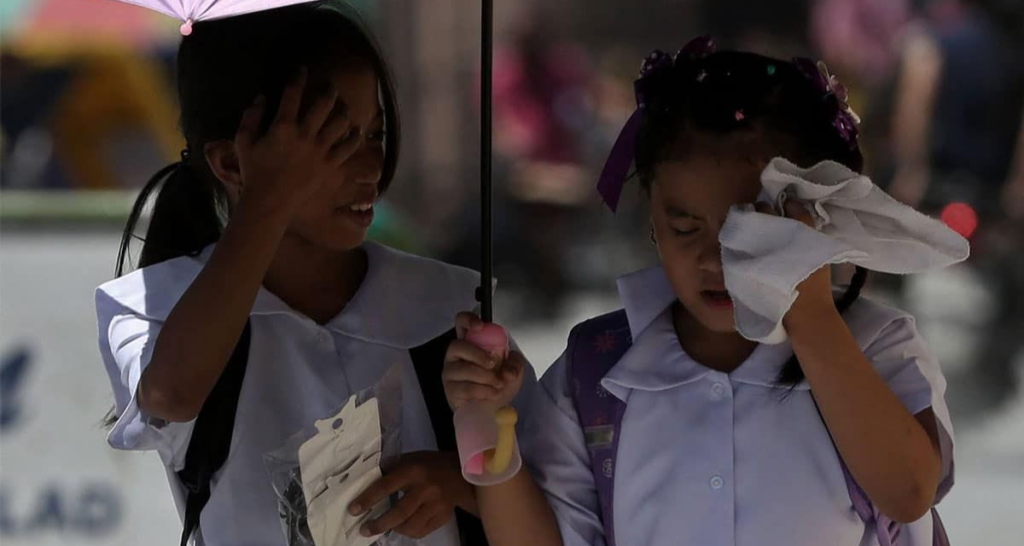
Heat exhaustion happens when your body gets too hot, usually after spending too much time in hot or humid conditions.
Heat exhaustion does not usually require emergency medical attention if you can cool down within 30 minutes. If you notice signs of heat exhaustion, move to a cool or shaded place immediately. Drink water or other fluids to replace what your body has lost through sweating. If possible, take a cool shower or bath, or place a cool, damp towel on your skin to help lower your body temperature. Most importantly, give your body time to recover. Avoid strenuous activities or returning into the heat too soon. If symptoms do not improve or worsen, seek immediate medical help.
Heatstroke is the most severe heat-related illness. It can occur if body temperature rises to 40°C or higher and requires emergency medical attention.
If you or someone around you shows signs of heat stroke, treat it as a medical emergency. Seek immediate medical help and take steps to cool the person down while waiting for help.
A strong El Niño in 2026 is expected to bring hotter days to the Philippines, increasing the risk of heat exhaustion and heatstroke. Knowing the warning signs, staying hydrated, keeping cool, and seeking medical help when needed can help protect you and your family from heat-related illnesses.
Being prepared also means planning for unexpected healthcare needs. Having ER Guard, a prepaid emergency health card in the Philippines, can give you access to healthcare benefits when you need them.
1. Why can El Niño increase the risk of heat-related illnesses?
Hotter temperatures can make it harder for the body to cool itself, especially during prolonged exposure to heat. This can increase the risk of heat exhaustion and heatstroke.
2. What are the signs of heat exhaustion?
Common signs include heavy sweating, tiredness, dizziness, headache, nausea, muscle cramps, being very thirsty, and clammy skin.
3. How is heatstroke different from heat exhaustion?
Heat exhaustion is a heat-related condition that may improve if the body is cooled within 30 minutes. Heatstroke is the most severe heat-related illness and requires emergency medical attention.
4. What should I do if I have heat exhaustion?
Move to a cool or shaded place, drink fluids, and rest. A cool shower, bath, or damp towel can also help lower your body temperature. If symptoms become worse or do not improve, seek medical attention.
5. What should I do if someone shows signs of heatstroke?
Treat heatstroke as a medical emergency and seek immediate medical help. While waiting for assistance, move the person to a cool place and help lower their body temperature with cool water, wet towels, or cold packs.
Easy access health plan options for the Filipino community.
We know finding the right healthcare plan can be a complex and confusing task.
Our health plan specialists are always here to help 24/7.
Got more questions?