
CONTACT US: 0919 058 5858 | 02 899 51920
CONTACT US:
0919 058 5858 | 02 899 51920
We often think our health depends on what we eat, drink, how much we move, and how well we sleep. However, one important factor is often overlooked: the air we breathe daily.
As one of the world’s biggest environmental health risks, air pollution does more than cause hazy skies. It forces us to inhale fine particles that settle deep into our lungs and heart. According to the World Health Organization (WHO), air pollution is a leading cause of life-threatening conditions, ranging from lung cancer and stroke to chronic obstructive pulmonary disease (COPD).
As a trusted provider of healthcare plans in the Philippines, Medicare Plus recognizes how everyday environmental factors play a vital role in overall well-being. By understanding how air quality can impact our health, we can prevent serious long-term illnesses and take proactive steps to protect ourselves.
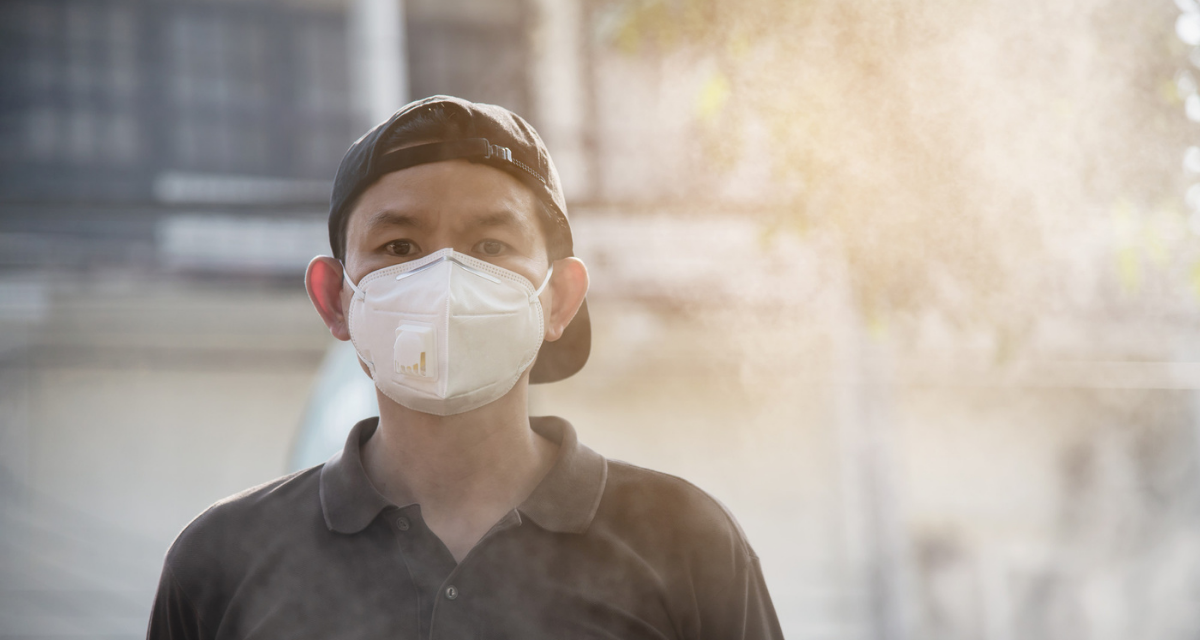
Health experts are warning that air pollution in Metro Manila is now a major health crisis. Over 13 million people are breathing air that is way past safe limits, which is causing serious heart and lung problems and putting entire communities at risk.
The landfill fire that struck the Navotas landfill on April 10, 2026, brought heavy smoke from the site, affecting the air quality across several parts of Metro Manila.
By the afternoon of April 13, 2026, air pollution near the landfill had reached unhealthy levels, with Quezon City recording an Air Quality Index (AQI) of 174, followed by Malabon at 115, and Navotas at 105. In response, the Department of Health (DOH) warned the public that exposure to fine dust and soot from the smoke may lead to serious health risks.
As of April 20, 2026, ABS-CBN reported that the unhealthy air conditions had spread to localities in Central Luzon. In addition to hazy skies and poor air quality, unpleasant odors from the burning of organic waste, plastics, and other materials further contribute to health concerns in affected communities.
Air pollution is what happens when things like dust, smoke, gases, or odor fill the air for too long and become harmful. We mostly take these pollutants in by breathing. Once they are inside of us, they can cause stress, damage our cells, weaken our immune system, and hurt our lungs, heart, and brain. Over time, these effects can lead to serious illnesses:
Following the Navotas Landfill Fire, air quality in Metro Manila and nearby provinces has dropped to unhealthy levels. The Office of Civil Defense-National Capital Region (OCD-NCR) advises everyone to wear a mask when they go outside. For high-risk groups like children, the elderly, pregnant women, or those with breathing issues, it’s best to stay indoors. If you must go out, wear a mask and don’t stay outside for too long. To stay safe, keep your windows shut, drink plenty of water, and see a doctor if you start coughing or find it hard to breathe.
While preventive measures help reduce exposure, having access to timely medical care is equally important in protecting your health. With Medicare, the best HMO in the Philippines, you can stay one step ahead of potential health risks through regular checkups and expert consultation.
Air pollution can take a toll on your lungs, heart, brain, and even your skin. With the recent Navotas landfill fire pushing air quality in Metro Manila and nearby provinces to unsafe levels, protecting yourself and your loved ones is more important than ever. While temporary measures like wearing masks, staying hydrated, and keeping windows shut are essential for immediate protection, long-term health depends on proactive medical care.
With Medicare Plus, a trusted Family Healthcare Plan in the Philippines, you gain more than individual coverage. Through access to preventive care, regular checkups, and expert medical guidance, you can address potential health concerns early and ensure that every member of your household stays supported, especially during environmental health risks.

Easy access health plan options for the Filipino community.
We know finding the right healthcare plan can be a complex and confusing task.
Our health plan specialists are always here to help 24/7.
Got more questions?