CONTACT US: 0919 058 5858 | 02 899 51920
CONTACT US:
0919 058 5858 | 02 899 51920
The magnitude 7.8 earthquake that struck southern Mindanao on June 8, 2026, claimed at least 78 lives, with scores still missing. The seismic activity also caused widespread destruction, leaving homes and buildings in shambles, and triggering tsunami warnings along the southern coast.
While the tremors occurred hundreds of kilometers away from Metro Manila, it’s a reality check for many Filipinos living in the country’s capital. What if it happened in Metro Manila?
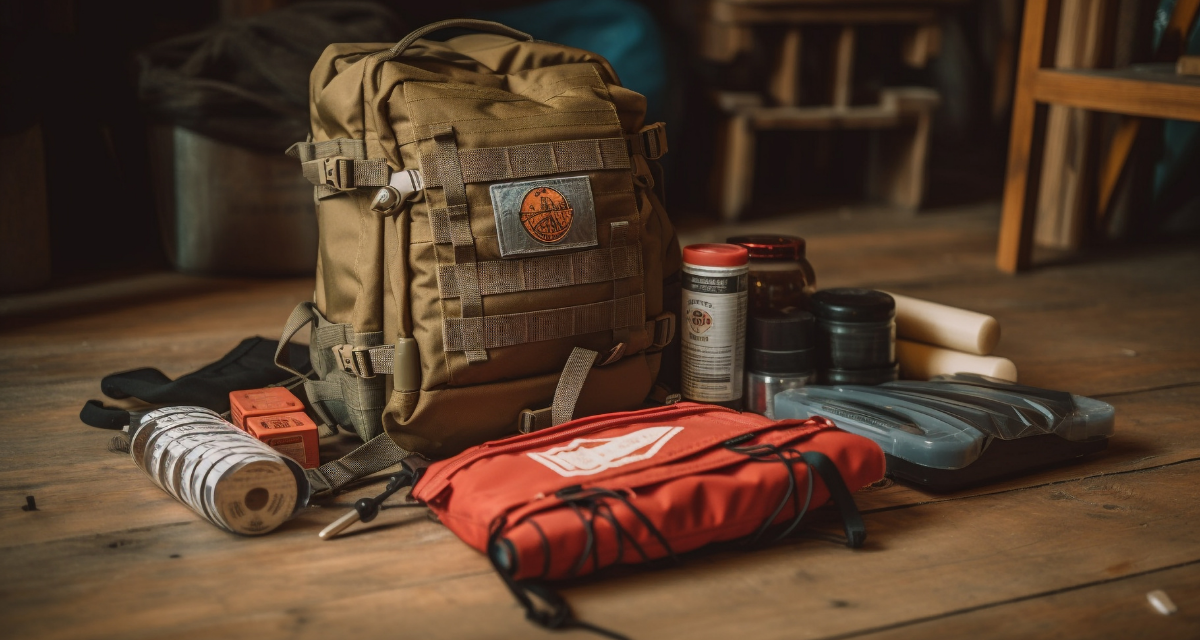
Medicare Plus encourages Filipinos to be ready in case a powerful earthquake strikes their region. The Philippines sits along the Pacific Ring of Fire, making earthquakes a constant threat. Earthquakes can strike at any time, making preparedness essential to help reduce injuries and protect lives. An earthquake disaster kit, or Go-Bag, is a vital part of emergency preparedness, providing essential supplies to help you and your family survive the aftermath of a major earthquake.
When a strong earthquake strikes, you may have only a few moments to leave your home and move to a safer location. That’s why It’s important to have a Go-Bag ready for every member of the household at all times.
Your emergency supplies will be of little use if they become soaked or damaged. Choose a sturdy waterproof or water-resistant backpack, duffle bag, or plastic container to protect your things. For added protection, place important items such as documents and medications inside an airtight plastic bag before putting them inside your Go-Bag.
UNICEF Philippines shares the following Go-Bag checklist:
Water and Food
Personal Care and Hygiene Essentials
First Aid Kit & Medicines
Other Safety Essentials
Documents & Money
Keep photocopies of essential documents and cash in a waterproof pouch or Zip bags for easy access during an emergency.
Other Items
In light of the recent devastating earthquake in the country that caused widespread damage and loss of life, now is a good time to review your family’s emergency preparedness plans.
If you already have a Go-Bag, check whether its contents are still up to date. Replace expired food, water, medications, and batteries, and make sure important documents and contact information are still valid. If you don’t have a Go-Bag yet, this is the perfect guide to make one for each member of your household.
A Go-Bag is invaluable in different kinds of emergencies, not just earthquakes. It can be used during typhoons, floods, fires, volcanic eruptions, and other unexpected evacuations. Having essential supplies packed can help you and your loved ones when a calamity or disaster strikes.
Natural calamities and man-made disasters can result in injuries and unexpected medical needs. Having the best HMO in the Philippines can help provide access to emergency medical care during uncertain situations.
1. What is a Go-Bag?
A Go-Bag is a portable emergency kit containing essential supplies that can help an individual survive for at least 72 hours during or after a disaster.
2. How much water should I store in my Go-Bag?
UNICEF Philippines recommends packing at least three liters of drinking water per person per day for a minimum of three days.
3. Where should I keep my Go-Bag?
Store your go-bag in an easily accessible location that all adult family members can reach during an emergency, such as near the main door or in a hallway closet.
4. How often should I check and update my Go-Bag?
Check your Go-Bag every six months. Replace expired food, water, medications, and batteries, and update documents or contact information as needed.
5. Should every family member have their own Go-Bag?
Ideally, yes. Adults can have individual Go-Bags, while children can carry smaller bags with age-appropriate items. Families should also prepare supplies for infants, seniors, persons with disabilities, and pets.

Easy access health plan options for the Filipino community.
We know finding the right healthcare plan can be a complex and confusing task.
Our health plan specialists are always here to help 24/7.
Got more questions?