
CONTACT US: 0919 058 5858 | 02 899 51920
CONTACT US:
0919 058 5858 | 02 899 51920
Just when the world is trying to move forward from years of overlapping health crises, a familiar threat is once again surfacing: the Nipah virus. After the last Nipah virus scare that put health authorities and communities on edge, new reports from India’s eastern state of West Bengal have revived public concern. Two confirmed Nipah virus cases in West Bengal have been reported by the World Health Organization (WHO), with no additional infections reported to date.
For Filipinos, this resurgence brings back memories of the last confirmed Nipah virus incident, in Sultan Kudarat, Mindanao in 2014, when cases linked to infected horses raised alarms among health officials and livestock workers. More than a decade later, the virus remains a global concern due to its high fatality rate.
The Department of Health (DOH) has emphasized that there are currently no confirmed cases of the Nipah virus in the Philippines. According to the DOH, the country remains Nipah-free, with ongoing surveillance, coordination with international health agencies, and preparedness measures in place. The agency has also stressed that there is no cause for public alarm, while encouraging vigilance, proper hygiene, and awareness.
Staying informed through trusted sources, alongside guidance from healthcare partners such as Medicare Plus, one of the top HMOs in the Philippines, remains essential in navigating emerging health risks.
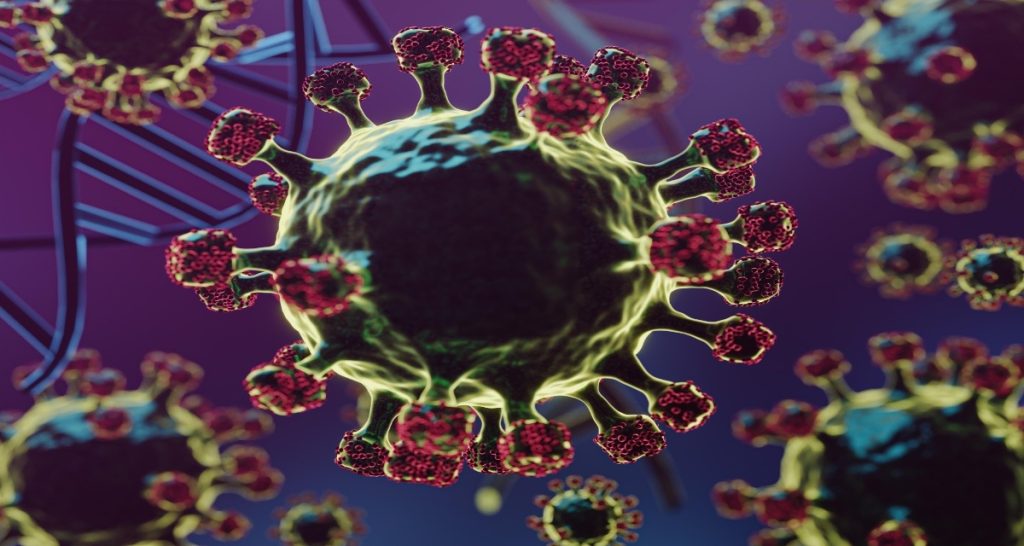
According to the WHO, the Nipah virus is an infectious disease that originates in animals and can spread to humans. Transmission may occur through contact with infected animals, consumption of contaminated food or drinks, and close person-to-person interaction.
Nipah virus is dangerous because it has no specific treatments and has a high fatality rate of 40% to 75%. Prompt and comprehensive supportive medical care in the early stages of illness can help improve chances of recovery.
Symptoms of the Nipah virus infection do not appear immediately. Experts note that signs of illness may show up several days to two weeks after exposure. Infectious disease specialists strongly advise seeking immediate medical attention if high fever and intense headache occur, especially in areas where the Nipah virus has been reported.
Early symptoms may include:
As the Nipah virus progresses, more serious complications can develop. Severe symptoms may include:
Doctors rely on laboratory tests to distinguish Nipah from other infectious diseases and other causes of pneumonia or encephalitis. Specimens collected from humans or animals suspected of having the Nipah virus must be managed by qualified personnel in properly equipped gear and secure laboratory facilities. Given the high mortality rate, early detection is critical, not only for patient care but also to prevent further spread.
Prevention remains the best defense against Nipah virus.The WHO recommends the following steps to reduce the risk of infection:
The reappearance of the Nipah virus in global health discussions is a reminder that diseases can disappear and return when people least expect them. While there is no need to panic, awareness, early consultation, and preventive habits play a crucial role in protecting both individuals and communities.
Staying informed through credible health authorities and healthcare partners, including the top-rated HMO provider in the Philippines like Medicare Plus, helps ensure timely consultation, access to care, and peace of mind during emerging health concerns.
1. Is the Nipah virus contagious between people?
Yes. While the virus often spreads from animals to humans, it can also be transmitted from humans to humans.
2. Is the Nipah virus present in the Philippines now?
As of now, there are no confirmed cases in the Philippines.
3. Who is most at risk of infection?
People who have close contact with infected animals, consume raw or contaminated animal products, or care for infected individuals are at higher risk.
4. Can the Nipah virus be prevented?
There is no vaccine, but infection can be prevented through good hygiene, avoiding risky animal contact, and following public health advisories.
5. Should I be worried about the Nipah virus?
There is no cause for panic. Awareness, early consultation, and preventive habits significantly reduce the risk.

Easy access health plan options for the Filipino community.
We know finding the right healthcare plan can be a complex and confusing task.
Our health plan specialists are always here to help 24/7.
Got more questions?