
CONTACT US: 0919 058 5858 | 02 899 51920
CONTACT US:
0919 058 5858 | 02 899 51920
Rabies Awareness Month in the Philippines may be wrapping up, but that doesn’t mean our awareness should fade with it. Keeping our communities safe from rabies is something we need to stay on top of all year round.
One simple yet powerful step is ensuring our pets are vaccinated. By participating in free pet vaccination drives, we not only protect our beloved pets but also help keep our neighborhoods safe and rabies-free.
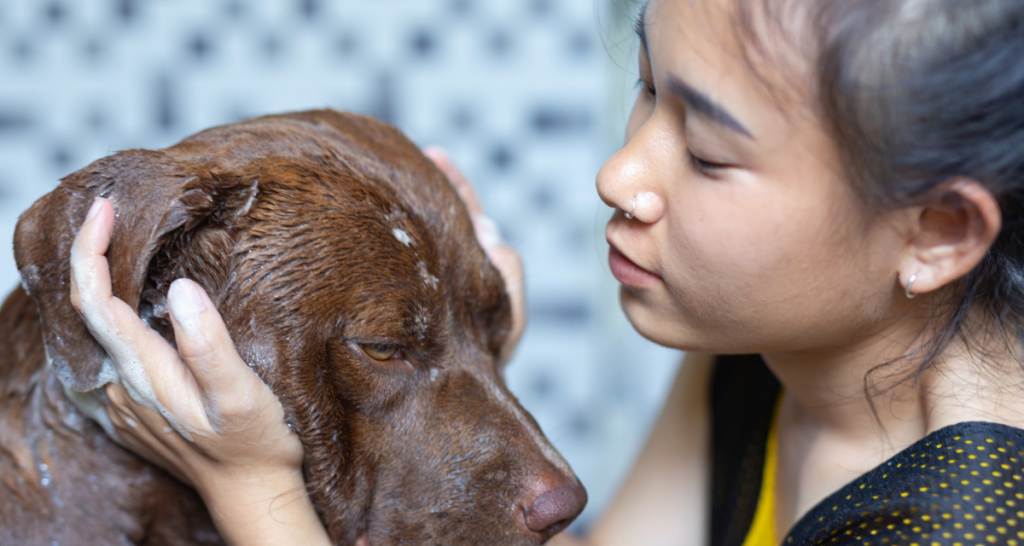
Guided by the national theme, “Rabies-Free na Pusa’t Aso, Kaligtasan ng Pamilyang Pilipino,” we encourage everyone to support this advocacy by practicing responsible pet ownership and staying informed about preventive measures against animal bites.
Equally important is being ready to respond when emergencies happen. Having an ER Guard, a dependable prepaid emergency health card in the Philippines, can help you act quickly and access care when it matters most, especially in urgent cases like animal bites. ER Guard covers the first dose of the rabies vaccine, helping reduce immediate out-of-pocket costs during a critical time.
The World Health Organization (WHO) defines rabies as a viral disease that attacks the brain and nerves. The virus spreads through the saliva of an infected animal, usually through bites, scratches, or when saliva comes into contact with an open wound. Children aged 5 to 14 are especially at risk and are among the most common victims. The bright side is that rabies is a preventable disease when we act responsibly.
Dog bites and scratches are responsible for 99% of human rabies cases. However, rabies can also infect other mammals, such as farm animals and wildlife.
Animals with rabies may exhibit varying symptoms:
If you suspect an animal may have rabies, keep your distance right away and do not attempt to approach, touch, or restrain it. Rabid animals can behave unpredictably and may become aggressive without warning. Report it to local animal control, barangay officials, city veterinary office, or police.
For humans, the time between a bite and the first signs of the virus is unpredictable, ranging from less than a week to more than a year, though it typically takes about two to three months.
Rabies symptoms in humans may include:
It’s important to act immediately after exposure because once clinical symptoms appear, rabies is nearly 100% fatal.
The WHO recommends the following preventive measures against rabies.
If you get bitten or scratched by an animal, such as a cat or dog, it’s important not to panic. Stay calm and follow these first aid steps immediately.
Rabies is preventable but fatal once symptoms appear. Protecting your family starts with vaccinating your pets and acting fast if a bite occurs. Staying proactive is a great way to stay protected from this virus.
Staying informed and seeking immediate care after a bite can save lives. ER Guard, the best prepaid emergency health card in the Philippines, covers the first dose of rabies vaccine and equips you to handle other emergencies.
1. What is Rabies?
Rabies is a life-threatening viral infection that affects the brain and nervous system. Once symptoms appear, it is almost always fatal. The good news is that it can be effectively prevented through timely vaccination.
2. How does it spread to humans?
Rabies spreads through the saliva of an infected animal, usually via bites or scratches. It can also enter the body if saliva comes into contact with an open wound or mucous membranes. In most cases, dogs are responsible for 99% of human cases.
3. What are the warning signs in pets?
An infected animal may act aggressively, stagger while walking, drool excessively, or seem unusually fearful. Some may even suffer from seizures or paralysis.
4. What are the warning signs in pets?
An infected animal may act aggressively, stagger while walking, drool excessively, or seem unusually fearful. Some may even suffer from seizures or paralysis.
5. How can I protect my family and pets?
Make sure your pets are regularly vaccinated. For added protection, consult a healthcare provider about pre or post-exposure vaccination.

Easy access health plan options for the Filipino community.
We know finding the right healthcare plan can be a complex and confusing task.
Our health plan specialists are always here to help 24/7.
Got more questions?