
CONTACT US: 0919 058 5858 | 02 899 51920
CONTACT US:
0919 058 5858 | 02 899 51920
Good eyesight plays a crucial role in everyday life, including influencing safety, comfort, and productivity. Whether you’re studying, working, driving, or simply enjoying your surroundings, healthy vision supports nearly everything you do. Yet despite its importance, many people tend to take their eyesight for granted. Often, it’s only when problems arise that people begin to pay attention.
With the growing use of digital devices and increased exposure to environmental irritants, maintaining healthy vision has become more important than ever.
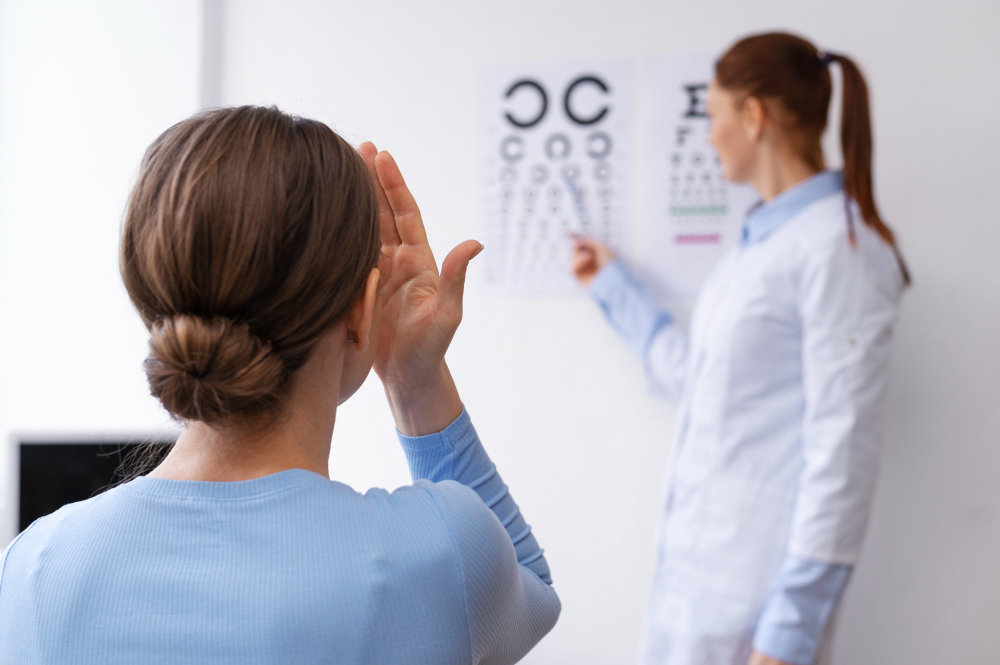
A 2018 study by the Philippine Eye Research Institute found that about 1.98% of Filipinos are living with some form of visual impairment, from mild to severe vision loss. While the figure may appear small at first glance, the impact on real lives is far from insignificant.
Impaired vision directly affects productivity, safety, and overall daily functioning. Students may struggle to follow lessons, while working adults may experience reduced productivity. Older individuals could face higher safety risks, especially when driving or walking in unfamiliar environments. Over time, these challenges can lead to loss of confidence and independence.
Many cases of visual impairment could be prevented through early detection. Unfortunately, many people avoid or postpone eye examinations due to cost, inconvenience, or the misconception that blurry vision is normal or harmless.
Medicare Plus, together with Vision Express, one of the country’s leading optical centers, bridge this gap by providing members with convenient access to quality eye examinations, professional eye care services, and a wide selection of eyewear solutions. This initiative aims to make proper eye care more convenient and accessible, reminding everyone that healthy vision is not a luxury but a necessity.
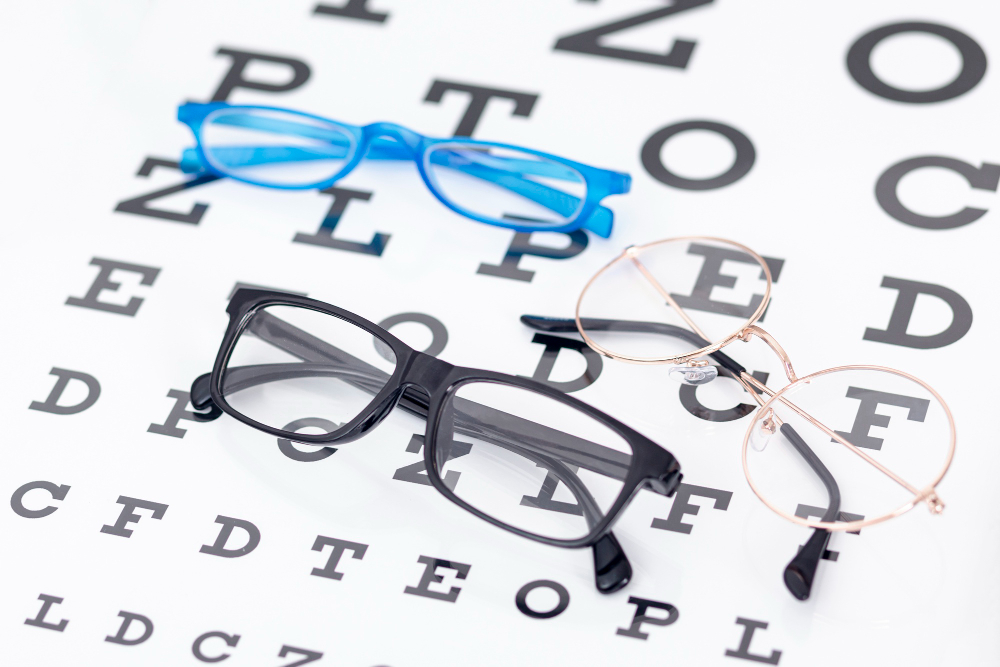
The Centers for Disease Control and Prevention (CDC) recommends the following tips to promote healthy vision.
Schedule regular eye checkups. Routine eye exams are essential, even if you don’t have any symptoms or eye issues. A visit to an eye care professional can help determine whether you need glasses for the first time or if your current prescription needs to be updated. Medicare Plus members can avail of special offers and discounts at Vision Express.
Regular eye exams can catch potential problems early, before they become more serious. Conditions such as glaucoma, cataracts, and diabetic retinopathy often develop silently and, if left undiagnosed, can result in permanent vision loss. A dilated eye exam is especially important, as it allows eye care professionals to identify common eye diseases in their early stages.
Keep devices at a proper distance. Maintain an arm’s length from your screen, and adjust the brightness to reduce eye fatigue.
Give your eyes a break. Follow the 20-20-20 rule—every 20 minutes, look at something 20 feet away for 20 seconds. This simple practice can ease digital eye strain.
Prioritize good lighting. Ensure your workspace and reading areas are well-lit to reduce eye strain and maintain visual comfort.
Use protective glasses. Wearing safety goggles, safety shields, and specialized eye guards can protect your eyes while working with hazardous materials/chemicals or while playing sports.
Wear UV-protective eyewear. Sunglasses with UVA and UVB protection help safeguard your eyes from the harsh rays of the sun.
Stay hydrated and eat healthy foods. Dark leafy greens, carrots, fish rich in omega-3, and citrus fruits support eye health.
Maintaining healthy eyes plays a vital role in enhancing your overall quality of life. Seeing details clearly, recognizing faces, appreciating nature, and enjoying your favorite activities all enrich everyday experiences. Good vision isn’t just a matter of comfort—it directly supports your productivity, independence, safety, and overall well-being. Keep in mind that when you see clearly, you can live fully.
1. How regularly should you have your eyes checked?
It’s recommended to have a comprehensive eye exam at least once every one to two years, even if you don’t experience any symptoms. Individuals with existing eye conditions, diabetes, or a family history of eye disease may need more frequent checkups.
2. What are the early signs of vision problems?
Common signs include blurry vision, frequent headaches, eye strain, difficulty seeing at night, and sensitivity to light. If you experience any of these, schedule an eye exam as soon as possible.
3. Can digital screens damage my eyesight?
Prolonged screen use can cause digital eye strain, leading to dryness, fatigue, and blurred vision. While screens don’t permanently damage eyesight, poor habits can worsen symptoms.
4. What is a dilated eye exam, and why is it important?
A dilated eye exam allows eye care professionals to examine the back of your eyes more thoroughly. It helps detect serious conditions like glaucoma, diabetic retinopathy, and macular degeneration in their early stages.
5. Where can I get affordable and quality eye care?
Medicare Plus members can enjoy benefits and discounts at Vision Express. This partnership ensures convenient access to eye care services.

Easy access health plan options for the Filipino community.
We know finding the right healthcare plan can be a complex and confusing task.
Our health plan specialists are always here to help 24/7.
Got more questions?