
CONTACT US: 0919 058 5858 | 02 899 51920
CONTACT US:
0919 058 5858 | 02 899 51920
For years, brightly lit vape shops have promoted e-cigarettes as a trendy and supposedly safer option compared to traditional cigarettes. With sleek devices, colorful packaging, and enticing flavors, vaping has particularly appealed to the younger generation, drawing many to vape at an early age. In fact, studies indicate that about one out of every seven Filipino students aged 13 to 15 is already using e-cigarettes.
In November 2025, the Department of Health (DOH), however, raised serious concerns, calling for a nationwide ban on vape products due to their significant health risks. The agency warned that both the aerosol produced by e-cigarettes and the devices themselves may contain harmful chemicals linked to cardiovascular disease, cancer, and chronic lung conditions.
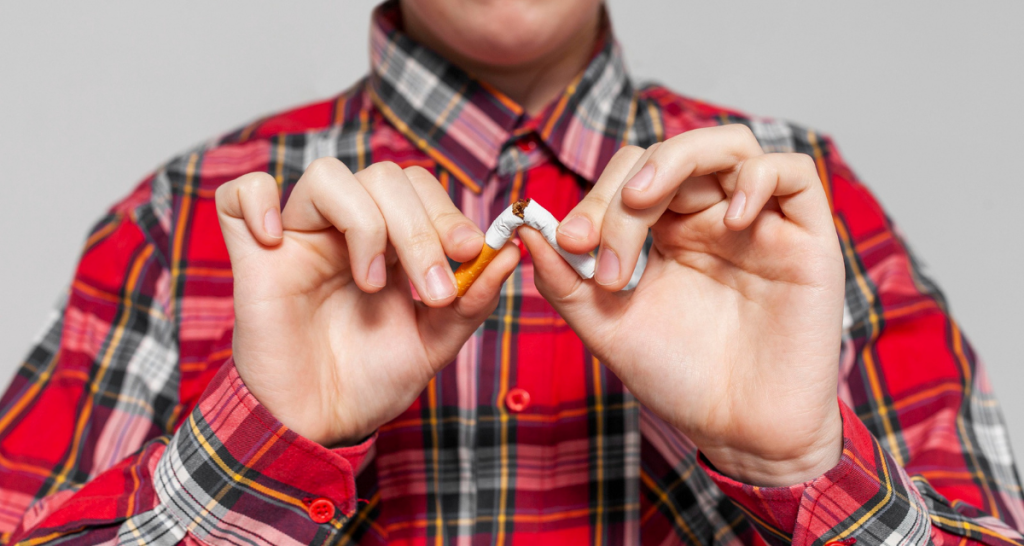
The American Lung Cancer Association posted a story of a college student named Ryan who started vaping out of curiosity. Many of his friends were doing it, and he believed it was safer than smoking cigarettes. What started as a simple experiment quickly turned into a daily habit.
Not heeding his parents’ warnings, Ryan vaped throughout the day. When he began noticing slight changes in his breathing, he ignored them. He assumed it was just a mild cold or a temporary condition.
Then one day, everything changed. Ryan suddenly had trouble breathing and was rushed to the emergency room. In just a few days, his condition became critical. His lungs were failing, his oxygen levels dropped dangerously low, and doctors had to put him on a ventilator to help him breathe.
Doctors later discovered that vaping while he was already sick made a bacterial infection much worse. It developed into severe pneumonia and led to life-threatening complications. Ryan spent weeks in the hospital and needed months to recover fully. The experience opened his eyes to how quickly health can decline. Now vape-free, he shares his story to warn others: what seems harmless can quickly turn deadly, and no trend is worth risking your ability to breathe.
Scientific evidence continues to show that inhaling e-cigarette vapor can cause serious and potentially irreversible lung damage. Leading health experts concluded that e-cigarettes expose users to a range of toxic substances and are linked to respiratory problems, including increased coughing, wheezing, and asthma flare-ups. Health experts also warn the public about the risks of inhaling secondhand vapor because it contains nicotine, ultrafine particles, heavy metals, and other pollutants that have been linked to serious lung disease.
Despite claims that vaping helps people quit smoking, health authorities note that no e-cigarette product has been officially proven safe and effective as a cessation tool. The growing body of evidence makes one thing clear: inhaling vape aerosol carries real health risks for both users and those around them.
Quitting smoking and vaping is more than a personal decision; it’s an investment in your family’s future. In the Philippines, where smoking and vaping remain widespread, taking proactive steps with the help of Medicare Plus, one of the best HMOs in the Philippines, can make a meaningful difference. Through a comprehensive family health care plan in the Philippines, individuals can access preventive check-ups, medical consultations, and professional guidance to help them break free from nicotine addiction. Choosing to quit today not only lowers your risk of serious illness but also creates a healthier, safer environment for the people who matter most.
1. Is vaping safer than smoking cigarettes?
While some believe vaping is less harmful than traditional cigarettes, it is not safe. E-cigarettes contain nicotine and other toxic chemicals that can damage the lungs and affect the heart.
2. What are the health risks of vaping?
Vaping can expose users to harmful substances such as formaldehyde, heavy metals, and ultrafine particles that lodge deep in the lungs. It has been linked to respiratory problems, asthma flare-ups, lung injury, and potential long-term heart disease.
3. Why is vaping especially dangerous for teenagers?
Nicotine can interfere with brain development, affecting attention, mood, learning, and impulse control. Studies also show that teens who vape are more likely to transition to cigarette smoking later on.
4. Is secondhand vape aerosol harmful?
Yes. Secondhand vapor may contain nicotine, ultrafine particles, and toxic chemicals. Exposure can pose health risks, particularly to children, pregnant women, and individuals with existing respiratory conditions.
5. Does vaping help people quit smoking?
There is currently no e-cigarette product officially proven to be safe and effective as a smoking cessation tool. Proven methods such as behavioral counseling and medically approved therapies remain the recommended approach.

Easy access health plan options for the Filipino community.
We know finding the right healthcare plan can be a complex and confusing task.
Our health plan specialists are always here to help 24/7.
Got more questions?